
The lost art of noticing things

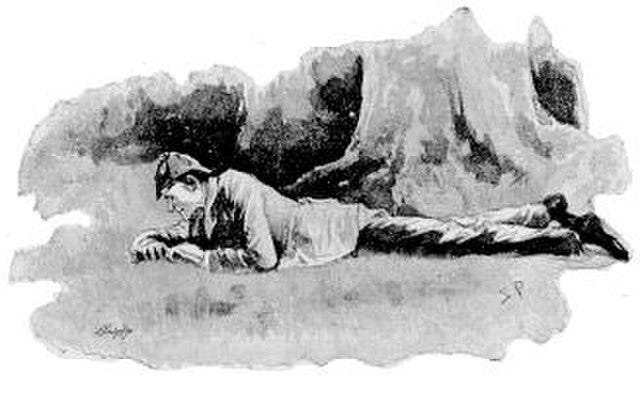
Sherlock Holmes once reprimanded Dr Watson on his failure to count the number of steps in a stairway: ‘you have seen, but you have not observed’. Ironically, Arthur Conan Doyle himself was no Holmes, and his attempts to replicate the methods of his detective in real life met with indifferent results. But there is a lesson here in any case. How many of us walk through a familiar environment, seeing but not observing? The more automatic life becomes, the less we notice.
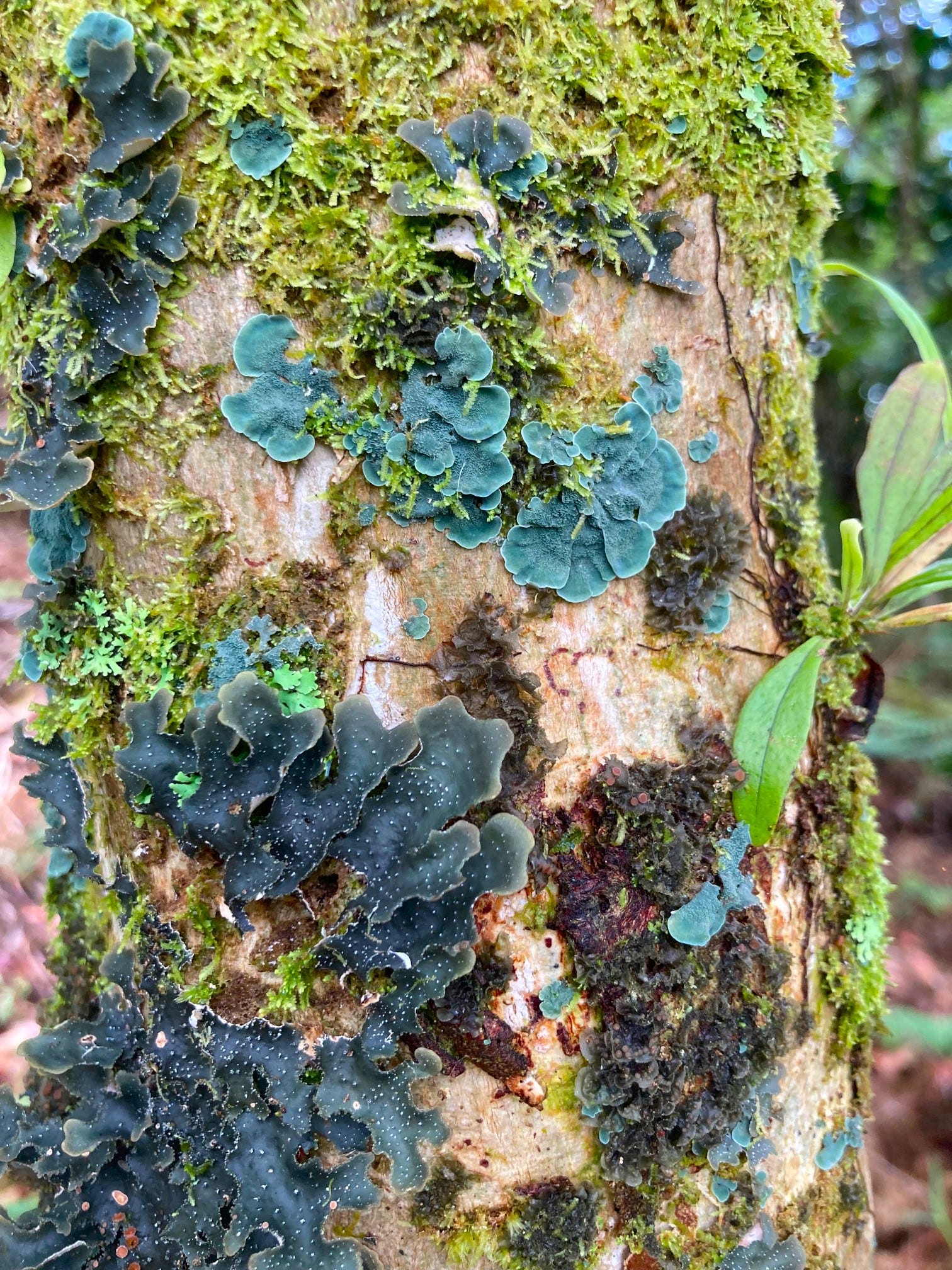
Consider the bark of a tree, the cracks and crevices, the patterns formed by growing limbs, the scar left by a fallen branch. Observe the lichens and mosses making a colorful patchwork across the trunk. Look closer and you will see spiderwebs strung in the crook of a branch, ants on the march up to gather honeydew from aphids far above, little tunnels in the bark that reveal the presence of beetles. One doesn’t have to be an entomologist or botanist to appreciate the intricate beauty of such things. It only takes curiosity, and a good eye.
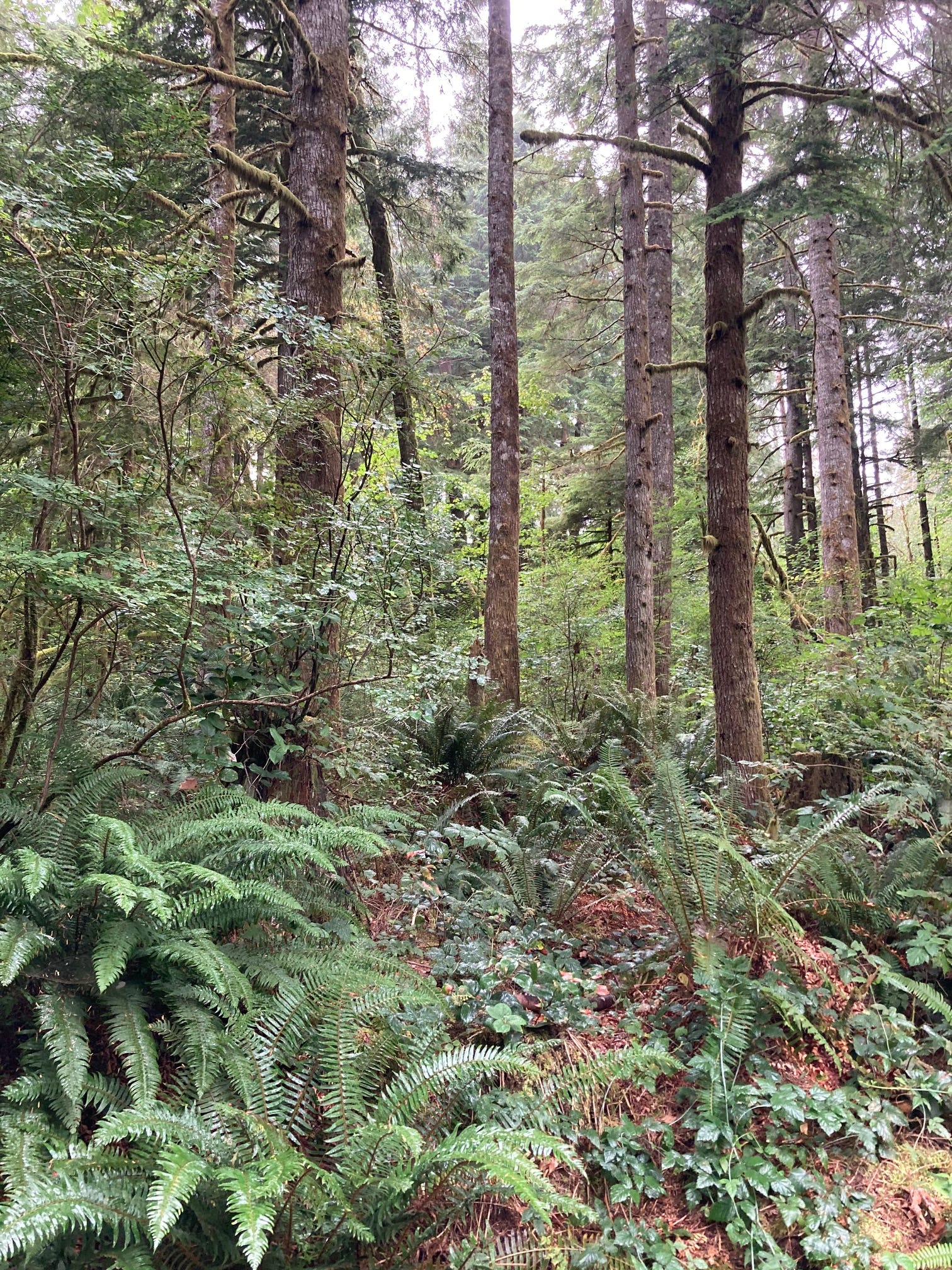
Everyone can learn to observe. In the past, most people developed some ‘nature sense’ just by spending time out of doors. It is surprising how much one can simply ‘absorb’ by being constantly surrounded by an environment. For myself, the smells, sounds and general appearance of the Pacific Northwest form the subconscious background to my perspective. When I read a description of a walk through the forest, my mind automatically fills in the details: red cedar and fir trees, sword ferns and salmonberry, the call of a raven, the babbling of the wren in the undergrowth, the smell of fir needles and hundreds of other cues. A funny example to me is this: Tolkien wrote The Lord of the Rings with the English countryside in mind; Peter Jackson, Kiwi that he is, envisioned it in New Zealand; I subconsciously set it in the Northwest. When I read about Frodo and company wandering through the Old Forest I can’t help but imagine the sorts of trees I grew up with. When they climb the Misty Mountains, I visualize the Cascades.
But getting back to the point, it is quite possible to ‘learn to see’ the natural world in a more detailed way, just as one can learn a new language or teach oneself an instrument. Unless, of course, you are Dr Watson, who never seems to learn anything despite his many years working and living with Holmes!
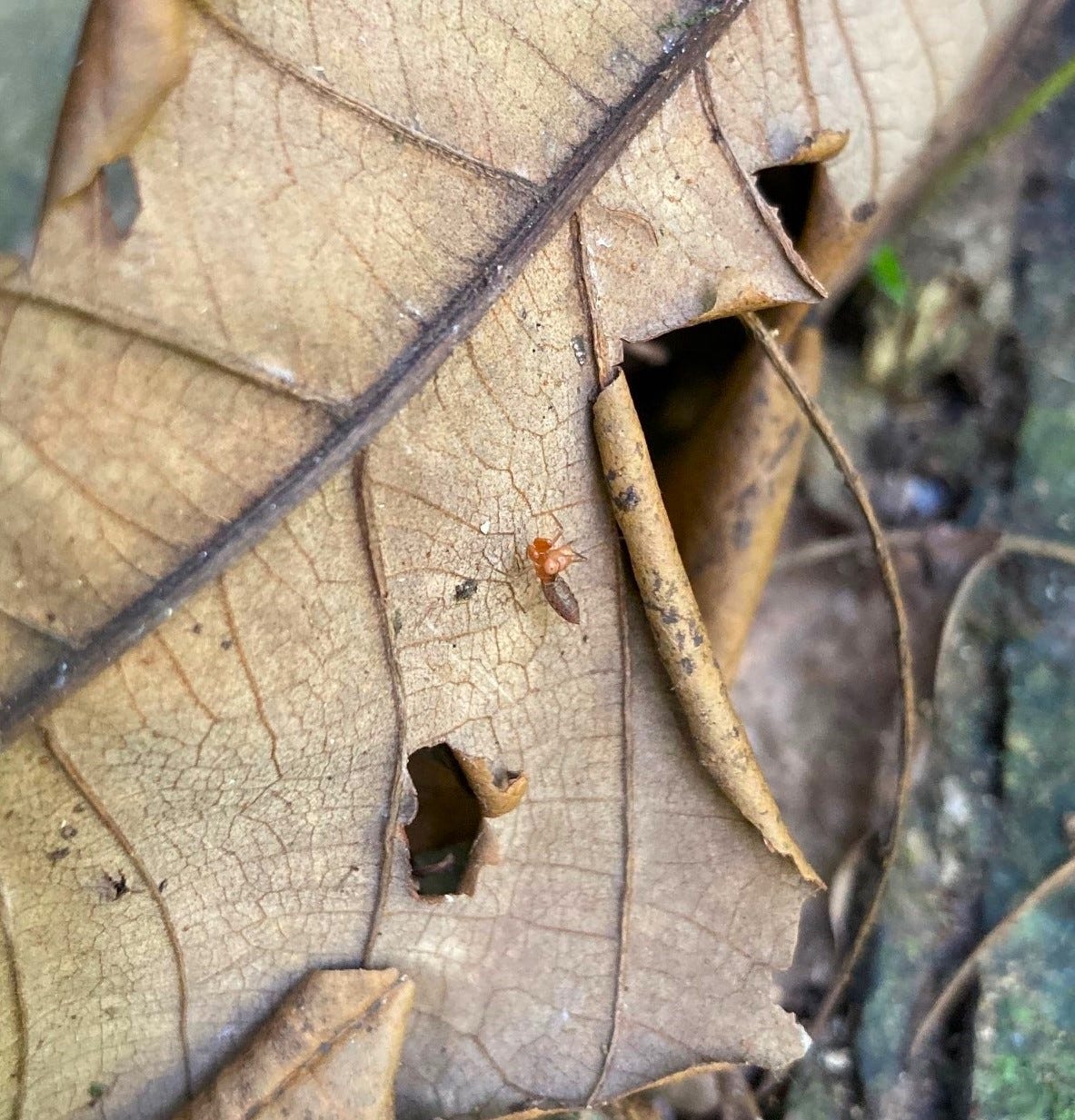
When I am out ‘entomologizing’, as a Victorian would say, I spend as much time looking at the details of the environment as I do actually sifting leaf litter for beetles or sweeping a net for bugs. One forest clearing may be a good place for interesting plant bugs; another may turn up nothing but common planthoppers. With experience, you gradually get a sense of where to look. Are there nettles? Nettles host their own community of insects. Are there stones or fallen logs in a grassy field? Turn them over to find a completely different community of beetles and ants! Many ‘biodiversity surveys’ are carried out using light traps, pitfall traps, drift nets and other automatic collecting equipment that provides quantitative data. While these methods are important for understanding the number of species in an environment, they also miss something: the small details of how the species fit into the ecosystem- what they eat, where they live, how they interact with others. This is a major reason why out of almost 400,000 beetle species, we know the ecology and life history of only a few hundred, at most. For the inhabitants of more inaccessible habitats such as the deep sea floor, we know even less.
There are an increasing number of ‘apps’ and programs for computers and smartphones which can, with varying degrees of accuracy, identify natural objects from photos using so-called artificial intelligence. When first released, they were embarrassingly-sometimes quite humorously- bad, but with continuing advances in the technology they become increasingly accurate. I strongly recommend anyone genuinely interested in natural history to stay away from such things. If you see a bird you don’t know, get out your old Peterson Field Guide. There is a huge difference between thumbing through an old-fashioned guide- or even manually using the internet- and letting your phone look it up for you. The guide requires a sharp eye and a comparative mindset, and will train you to be a better observer. An app, on the other hand, will automatically tell you what you are seeing- you don’t have to do any ‘work’, and chances are it won’t stick in your memory to the same degree. You also will not develop the most essential skill of any naturalist: that of discerning between two similar kinds. This is absolutely essential for the dedicated birdwatcher, entomologist, mushroom-picker, hunter, fisherman, field geologist and more… As the saying goes: anything worth doing is worth doing well.
Why is this important?
The art of observation has served humanity well over our long history. Vikings and Polynesians were able to sail across thousands of miles of ocean by observing stars, cloud patterns and waves, without modern maps or navigational equipment. Aboriginal Australians and Xhoisan (‘Bushmen’) nomads of southern Africa could find their way across vast stretches of desert merely by observation and memory and intricate knowledge of its natural history. The smallest ripple in the sand could betray the presence of a hunted animal; the dry withered stalk of a plant long gone to seed might indicate lifegiving water stored in an underground tuber.
Here is a video of humans being human. Note the conspicuous absence of smartphones. (Also note that this was filmed twenty years ago; the children of these people probably do have smartphones…)
I think that because our ancestors depended on having Sherlockian observational skills for survival, we came to derive instinctive enjoyment from it. In the utter focus that comes from intense contemplation of some pattern in nature, we lose ourselves and achieve, if only briefly, a meditative release from the stresses of daily life. Perhaps this is part of the reason why hunter gatherers, who live harder, shorter lives than we do, also tend to be happier. During the darkest and most uncertain moments of my own life, entomology and hiking did far more than therapy to help me keep hold on reality. Lab scientists sometimes sneer at naturalists’ love for counting floral stamens or the hairs on a beetle’s wing covers, but the reality is that in so doing one comes face to face with the deep patterns of life, the brush strokes behind the painting. And in knowing nature, I believe, we know more of ourselves.
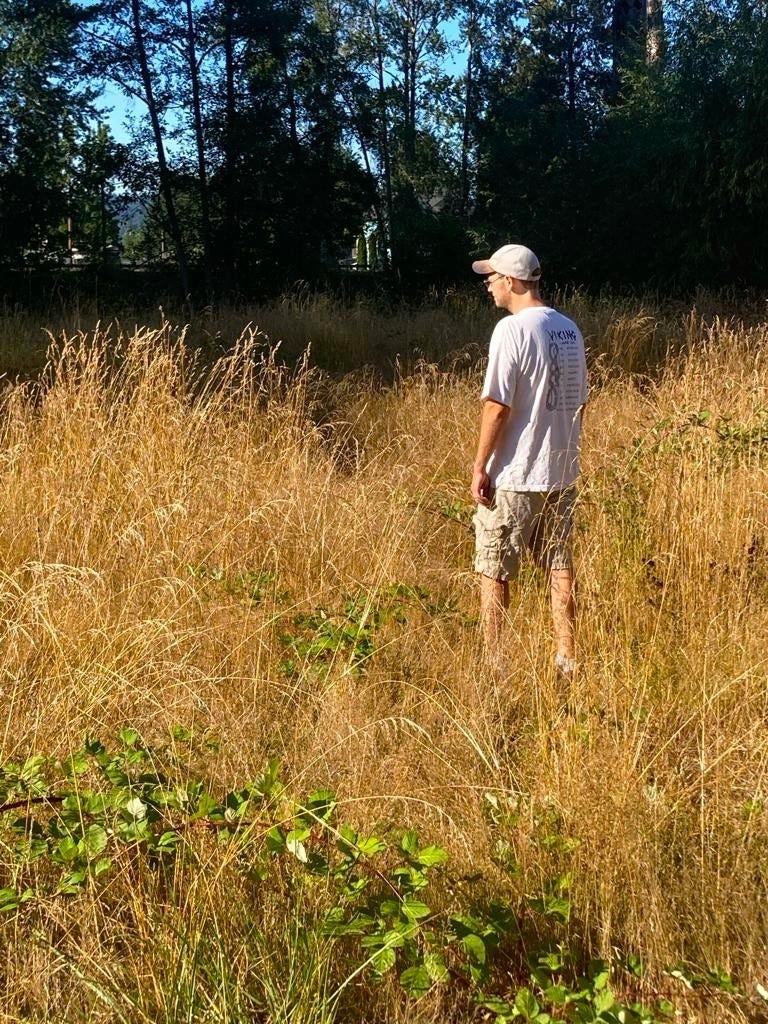
Take some time to simply observe, whether it be in the garden, on the beach, on a forest hike, or even a walk along a sidewalk. The trunk of a tree is like a wide savanna, the forest floor is an unconquered jungle full of mystery. Look at the sand on the shore, and consider the origin of the grains- ground down from mountains, or perhaps from ancient lava flows or coral reefs. Look at a tuft of grass growing from a crack in a busy road: in the midst of that artificial desert, an oasis.
Ecosystems are in a precarious state these days, and if we are to do our best to preserve them, we must first re-learn to understand them in a deep, intuitive way, a way that comes only from direct knowledge and experience. I don’t believe that government policy and scientific data is enough- it has to come from the heart. So I say, grab your binoculars, butterfly net or botany box, and get out into the woods or fields.
Very interesting. I was kind of disappointed when my Rowan is producing orange berries and not the red ones I had assumed.
I remember a fairy tale involving the Rowan tree but have forgotten the details anyone remember?
One mundane piece of information my neighbours bengal cat catches rabbits ( better than birds!)
This is wonderful, thank you! I completely agree about getting off screens and apps. And about noticing even "mundane" things (there is nothing in the natural world that is mundane!).