
Of Bugs and Men

,
Modern people, so often living lives disconnected from the natural world, have rather vague terminology for the world that surrounds us. Sure, we can describe cars, cell phones, and celebrities in minute detail, but in describing an insect our eloquence suddenly diminishes. Depending on the creature’s potential to sting- signified, as everyone knows, by the possession of stripes- it is either a bee or a bug.
Our ancestors were much more precise. While a medieval English farmer was hardly an academic entomologist, he certainly was a far more astute naturalist than most of his descendants.
So where do our words for insects come from? If you mention a beetle, a weevil, a bug, fly, gnat, bee, moth or ant, you are using words that trace back to the origins of the Germanic languages somewhere in north-cental Europe more than two millennia ago. While these words have of course shifted in meaning over the centuries, the very fact that they exist testifies to ancient peoples’ close engagement with the living world- surrounded by nature, they developed a detailed vocabulary to describe it- even its obscure inhabitants like weevils or gnats.
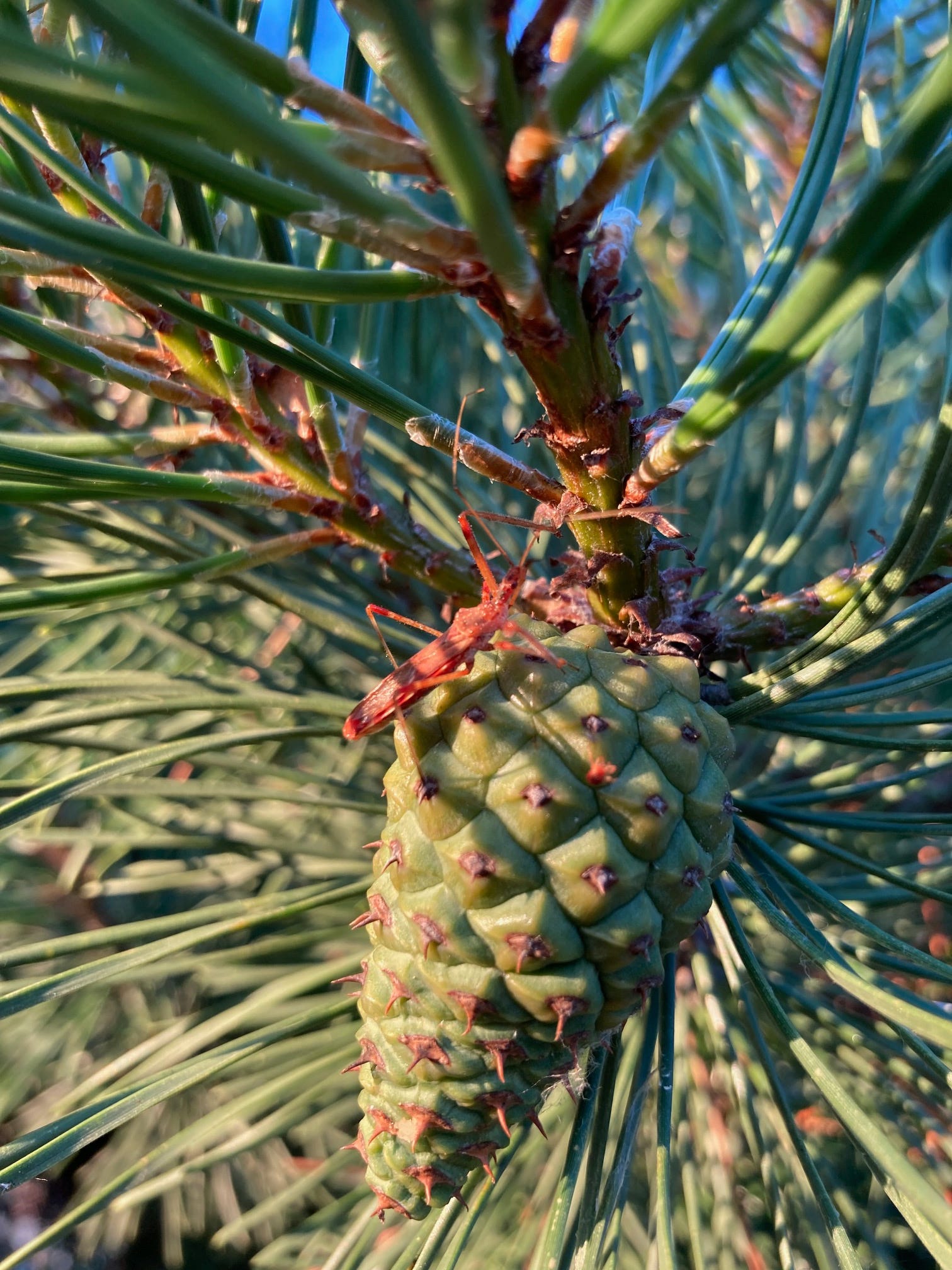
Today, ‘Bug’ is commonly used for just about any small invertebrate. Historically, however, the word was used to refer to members of the suborder Heteroptera- the entomologist’s ‘True Bugs’. Why did ancient people pay close enough attention to these insects to give them a name? The reason relates to one particular species- the obnoxious bedbug, a longstanding nuisance in many parts of Europe (even today). Ancients were well aware of this insect, a pest of livestock as well as people, and so it gained a specific name which was also applied to other similar-looking species.
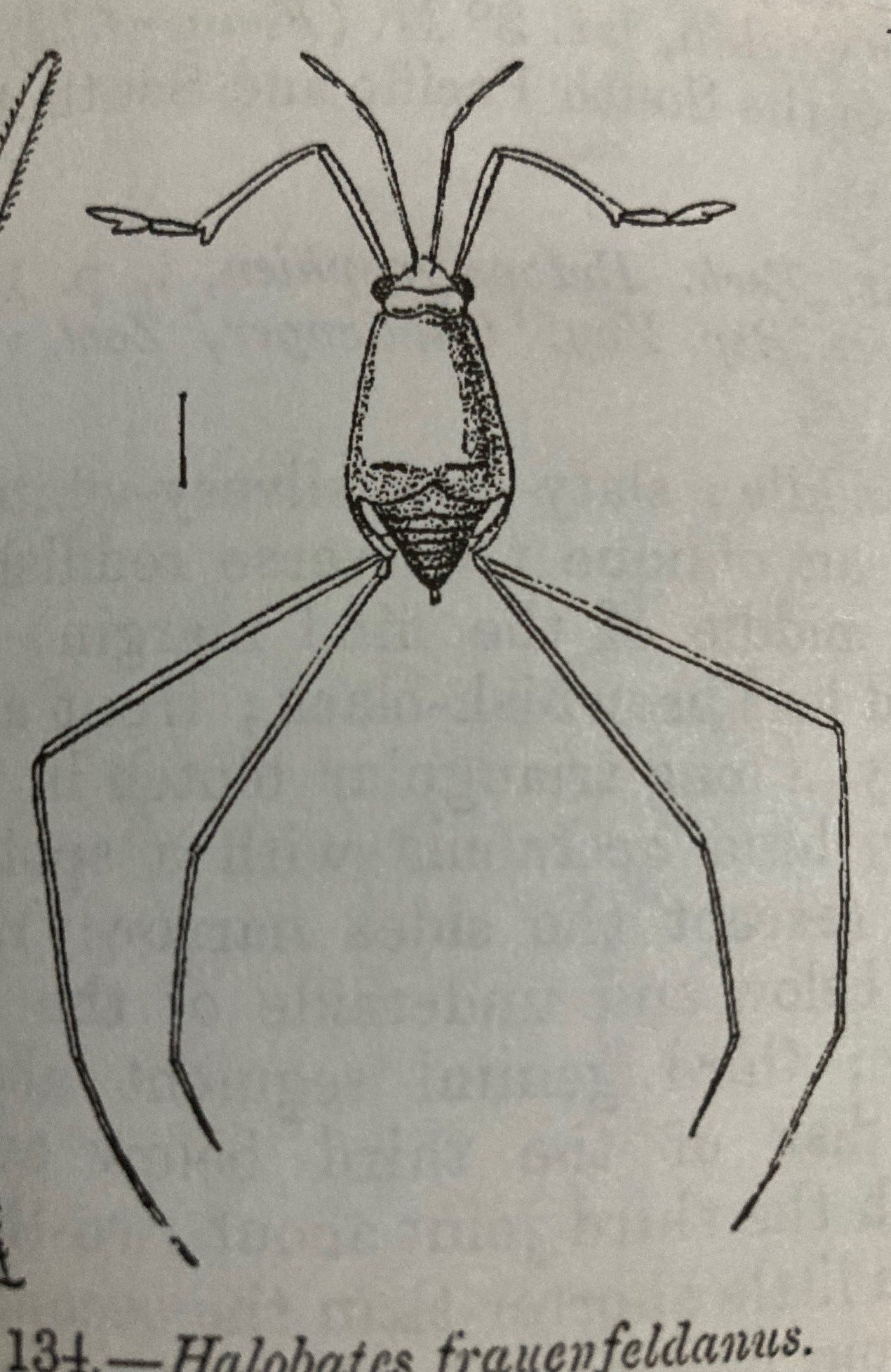
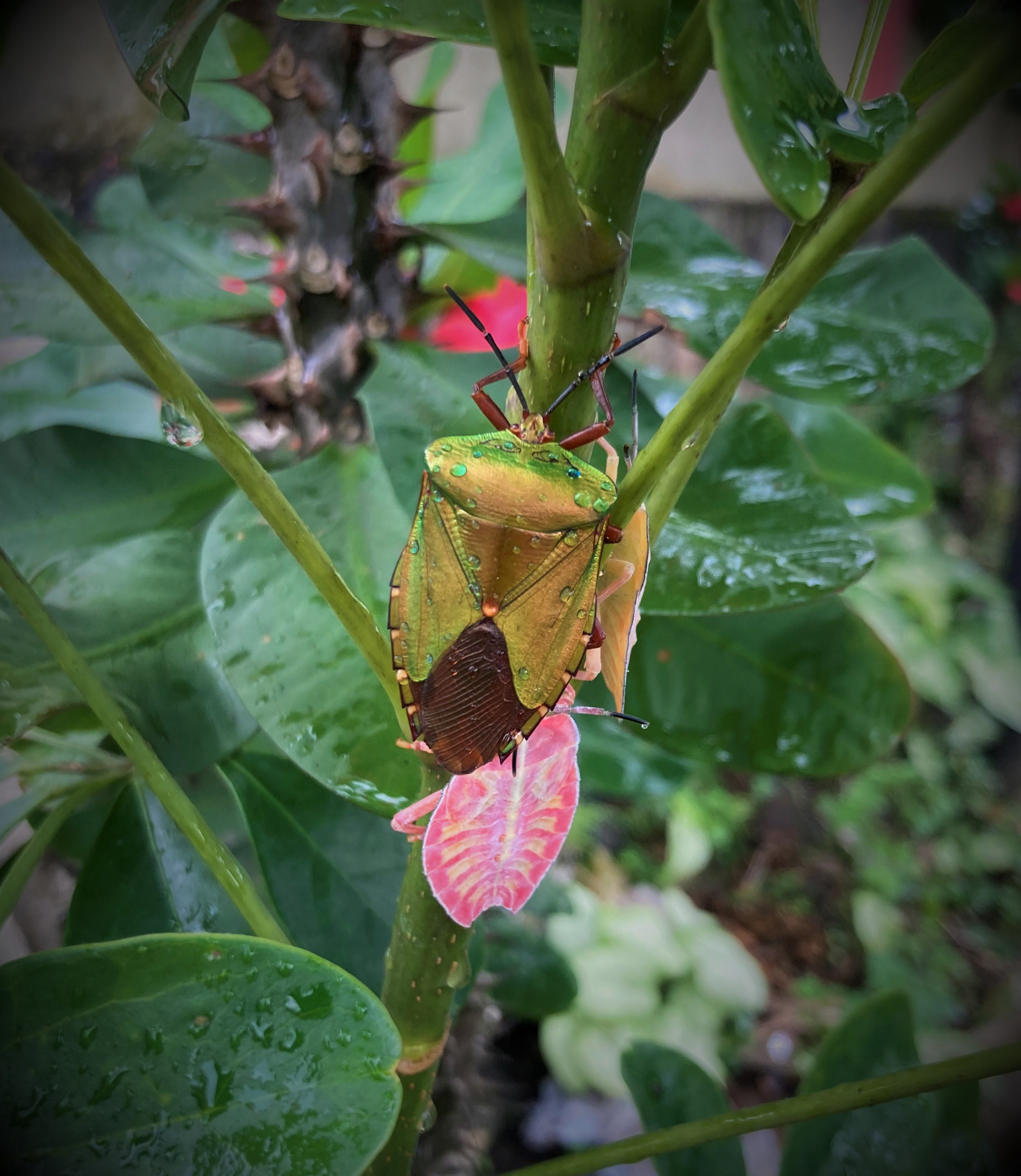
However, the True Bugs are a huge group, with tens of thousands of species, most of which are not pests, but are vital members of many an ecosystem. Many of them are strikingly beautiful, decorated with brilliant, sometimes metallic color patterns, while others are masters of camouflage. They live in vegetation, on the soil surface, and even in and on water. The so-called ‘sea skaters’ of the genus Halobates have the distinction of being the only animals of any kind that spend their entire life on the surface film of the ocean, often hundreds of miles from land.
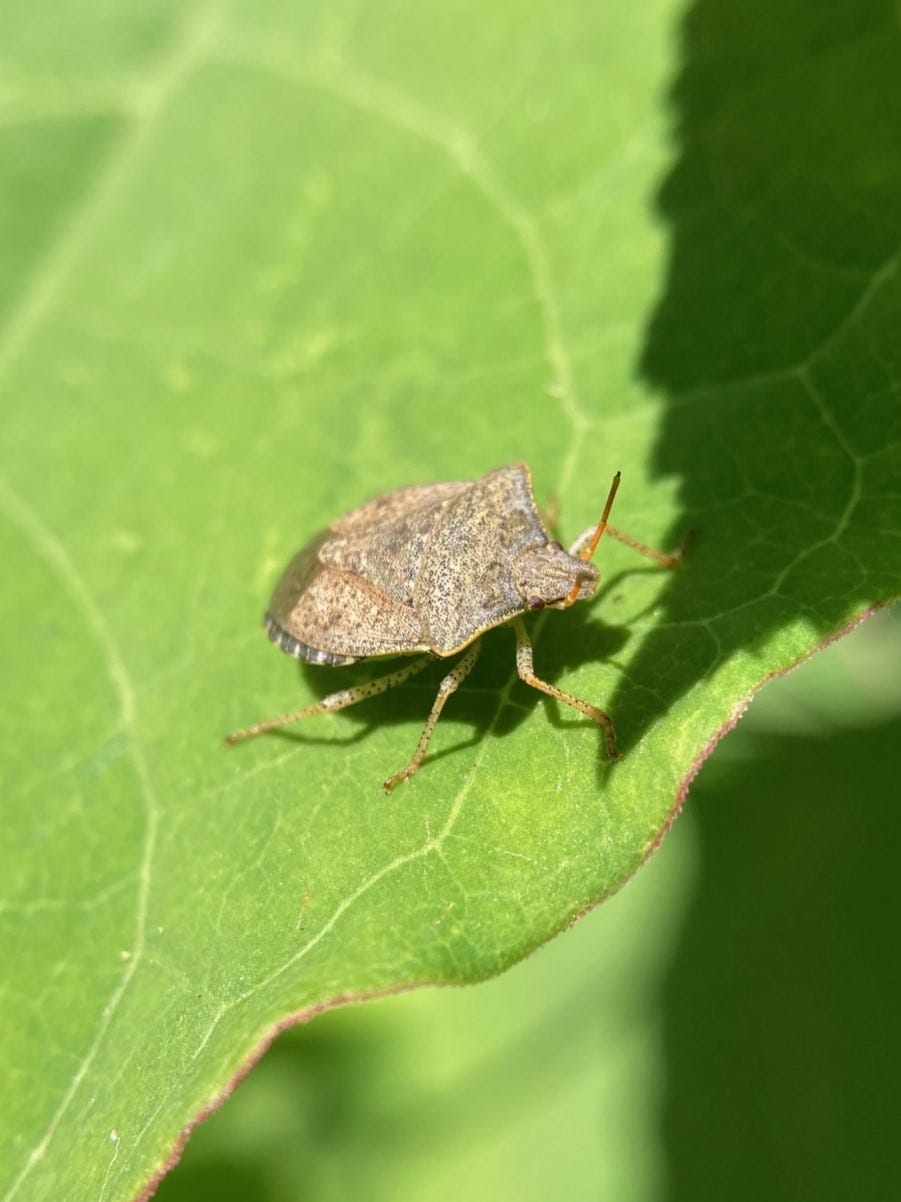
For most of us, the most commonly encountered bugs are probably the large and conspicuous ‘shield’ or ‘stink-bugs’. My family used to pick blackberries in the summer, along the quiet roadsides of rural (it still was back then) Snohomish County, Washington. Sometimes you would get a berry that didn’t taste quite right, having an indescribable, slightly bitter aftertaste. I expect anyone who picks berries knows what I mean. This taste is a sure sign that a stink bug got to the berry first! The ‘stink’ is a substance produced by the bug to ward off potential predators: and I guess it works- to a point. It doesn’t stop me from picking blackberries, though!
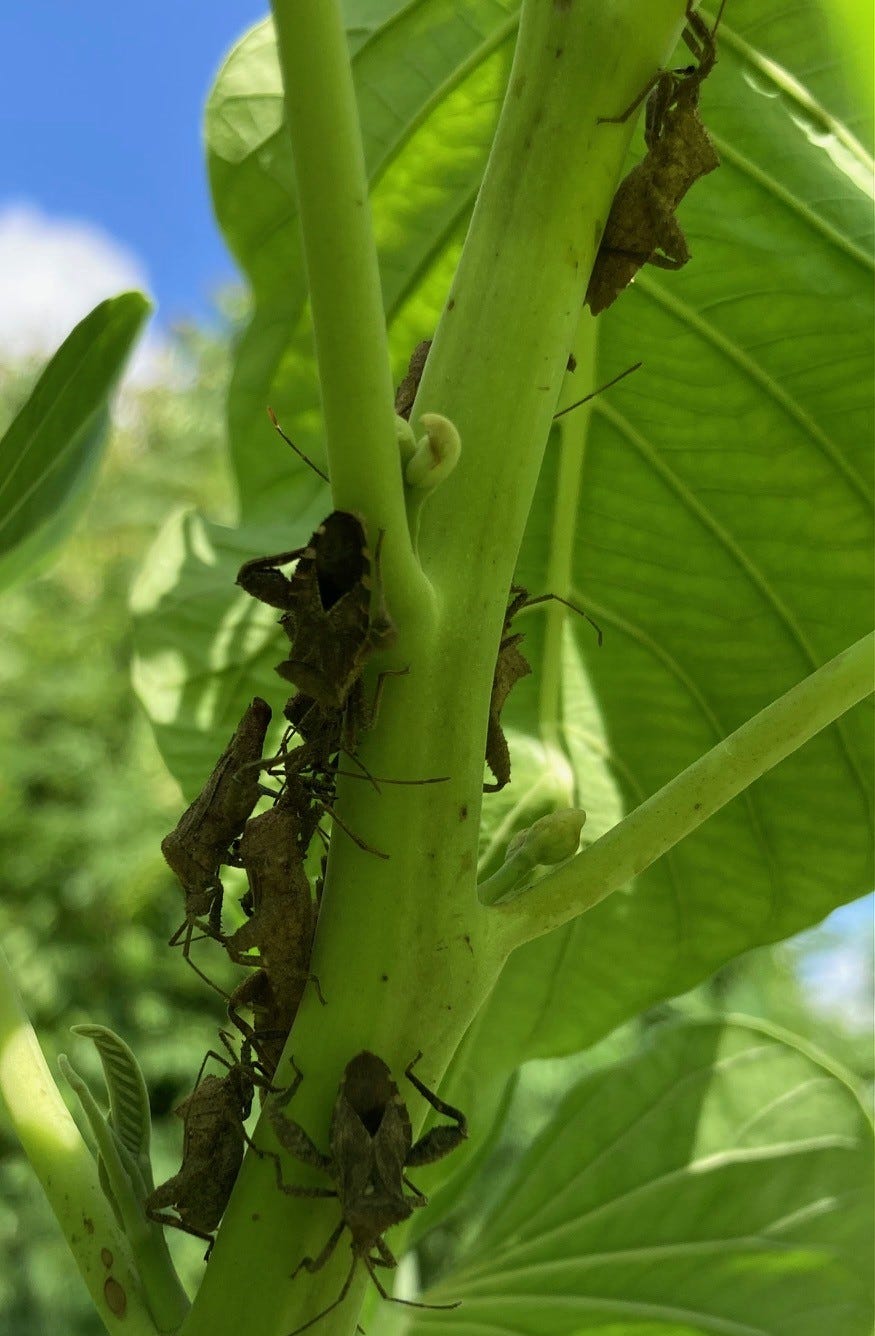
True bugs are very frequently eaters of seeds and fruits- thousands of species of them are specialized for this lifestyle, and a few are serious crop pests. Of course, they are only able to reach damaging population levels due to monoculture farming methods, which provide them with an endless supply of their favorite food in a relatively predator-free environment. The problem, as is often the case, is caused by bad farming practices, and theoretically could be easily remedied. For gardeners and farmers, the very best way to prevent a stinkbug or plant bug outbreak is to encourage the bugs’ natural enemies to take up residence, which is easily accomplished by leaving a certain amount of wild space on the property. Wildflowers such as yarrow and members of the carrot family are particularly attractive to many important predators of bugs.
Bugs have an almost unbelievable variety of form, from slender stilt bugs to turtle-like shield bugs. All of them have mouthparts modified into a sucking beak- this is the defining feature of bugs and their relatives (including aphids, planthoppers and cicadas). Because of this, they cannot eat solid food. This potentially limiting trait has pushed them to exploit resources unavailable to the beetles and grasshoppers with which they share their habitat- they are able to bypass many plant defenses such as spines and poisons in the leaf surface, and tap the nutritious sap within.
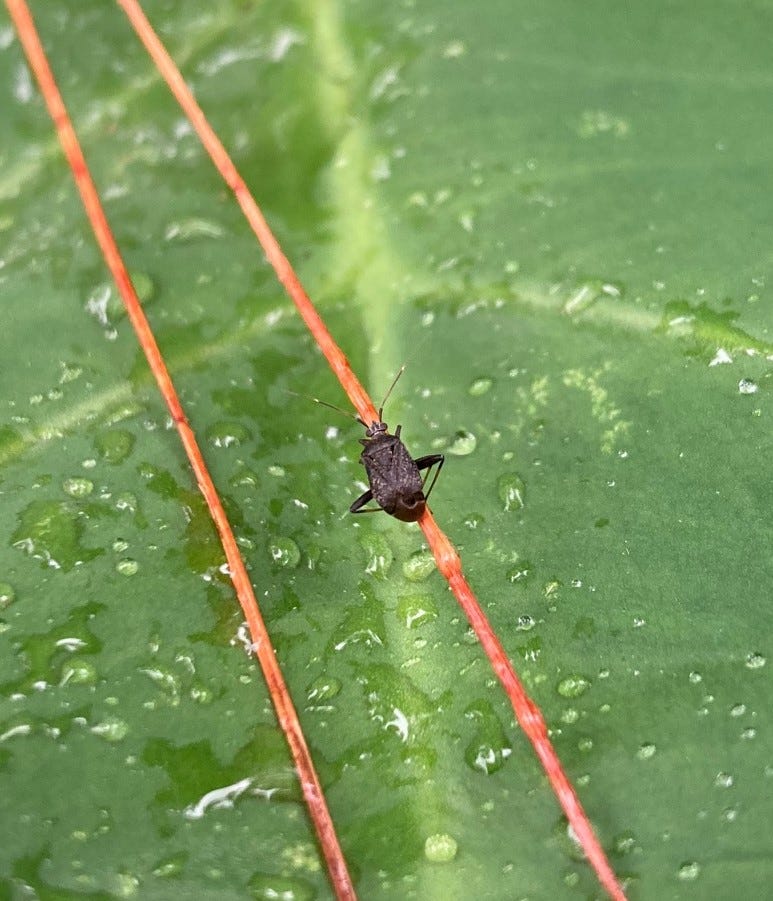
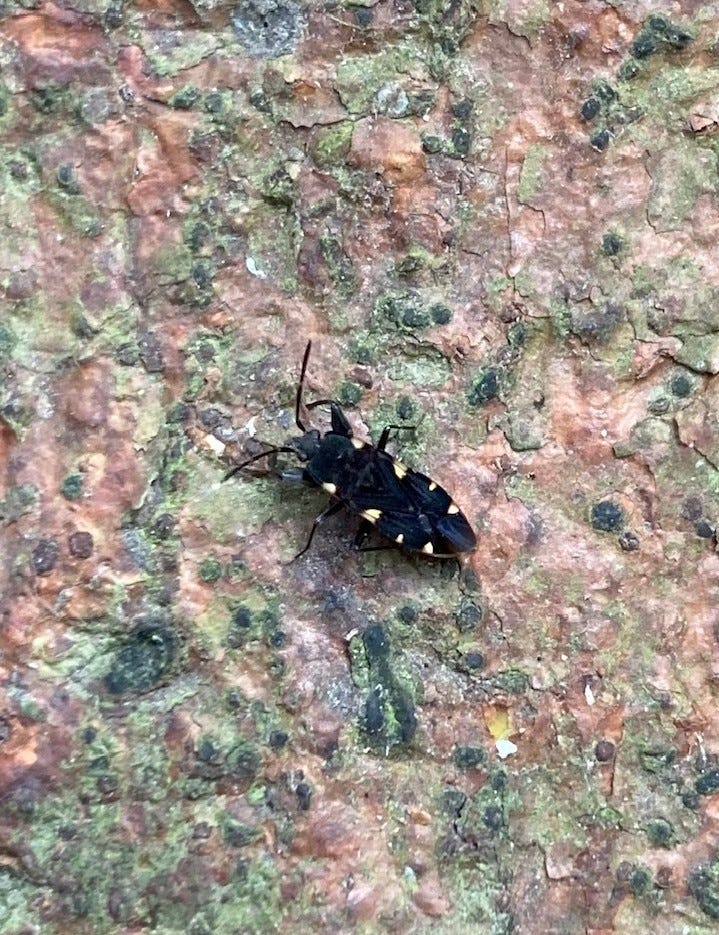
Of course, not all bugs are herbivores. The large family of Reduviidae, or Assassin Bugs, is strictly predatory, many species being very beneficial in the garden, preying on caterpillars, grasshoppers and others. They are an extraordinarily diverse group which range from tiny ambush bugs perfectly camouflaged among golden flowers, to the robust Ectrichodiinae of tropical forests, the females of which are caring mothers who hunt and kill giant millipedes many times their size to feed their offspring!
Assassin bugs are a particular interest of mine- during my time doing entomology at Washington State University I spent many hours identifying and sorting specimens of these often fantastical-looking insects,
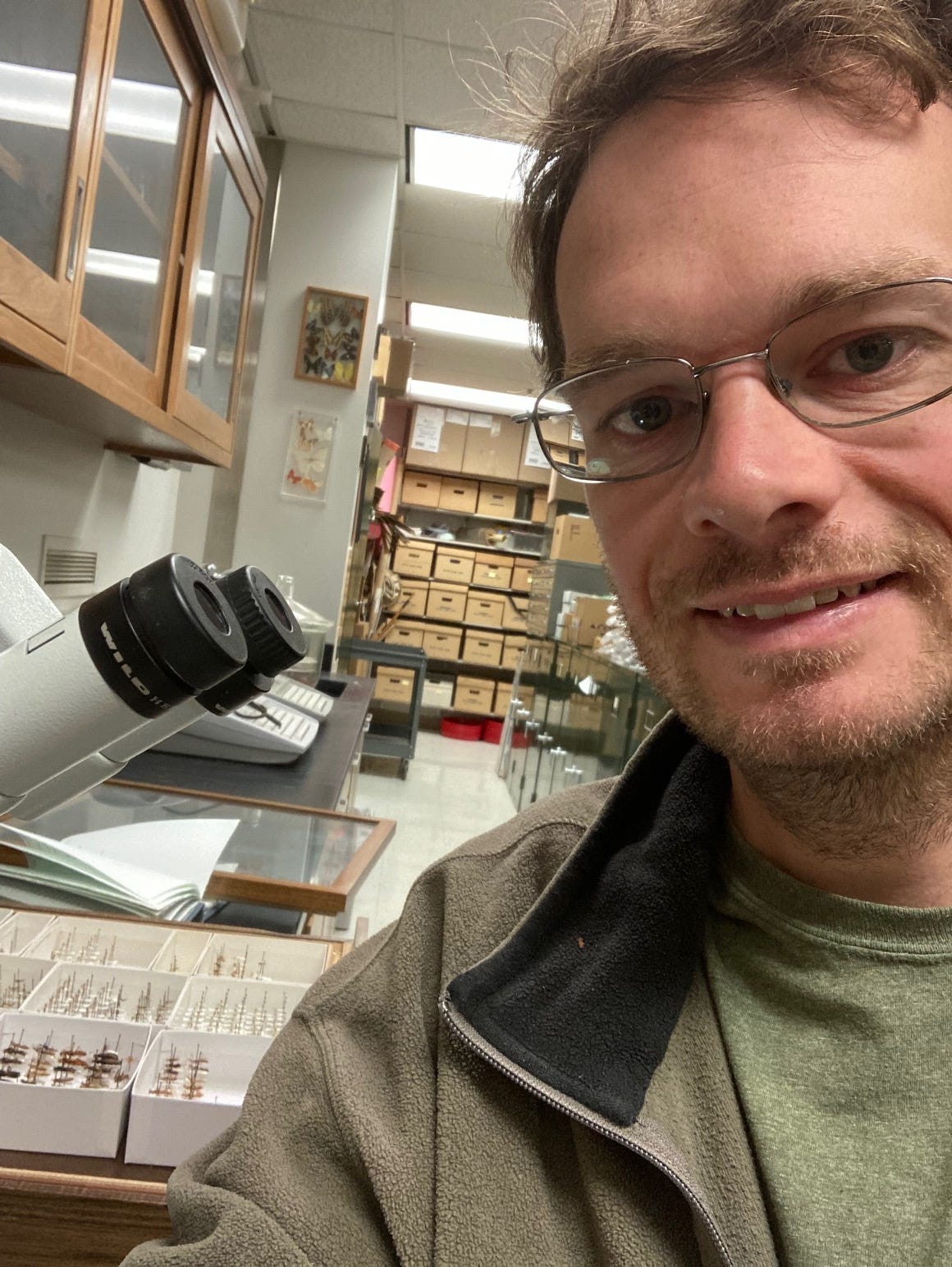
Because of their unusual morphology and striking diversity, bugs have attracted a number of very skilled entomologists over the years. When Linnaeus first formally described the group in the mid 1700’s, he placed most of them in his genus Cimex (the Latin term for bedbugs and relatives), but as studies became more detailed, the taxonomy became increasingly complex. The current groundwork for understanding their classification (in modern times interpreted as evolutionary relationships) was laid by a Victorian-era Swedish entomologist named Carl Stål, who described thousands of species and named most of the subgroups- families and so on- recognized today. Stål, almost single-handedly, with primitive equipment and without access to modern technology of any kind, devised a classification of Heteroptera which has largely been confirmed by all modern studies. His eye was so sharp and his sense of natural pattern so brilliant that he was able to glimpse something of the deep history of these insects, the branches on the bug ‘tree of life’, to somehow peer into and perceive, as Shakespeare would say, ‘the dark backward and abysm of time.’ His works, written mostly in Latin, are so extensive and accurate that they remain essential reading for anyone interested in the group.
This ability to see such patterns is one of the essential skills of a good naturalist- especially for those interested in the relationships and classification of living things. It is, I believe, a faculty of mind which, like musical or mathematical talent, some people are simply born with. It is the same skill which in ancient times made a great tracker or herbalist, and which surely dates back to the origins of humanity. Sadly, it is a skill rarely practiced today- much of the work has been outsourced to computers, which are now almost ubiquitous in all branches of ‘biology’. As you can imagine, researchers are now having heady discussions about the best ways to involve AI and ‘machine learning’- a far cry from the attitude of the early naturalists who viewed systematic patterns as divinely created, and the study of nature as a kind of meditation.
The earth is our only home, its inhabitants our companions on this journey of life. Most people are born naturalists, in some deep primordial sense natively enchanted
‘Not with the mean and vulgar works of man; but with high objects, with enduring things, with life and nature…’
as William Wordsworth wrote. If we wish to faithfully steward the earth for future generations, not only of mankind, but of all living beings, we must re awaken that primal sense of wonder that shines in the hearts of us all.
Thanks for sharing such an extensive piece.
Enchanting! Thanks for the well needed break from the current news. Bugs are great, but spiders rule!